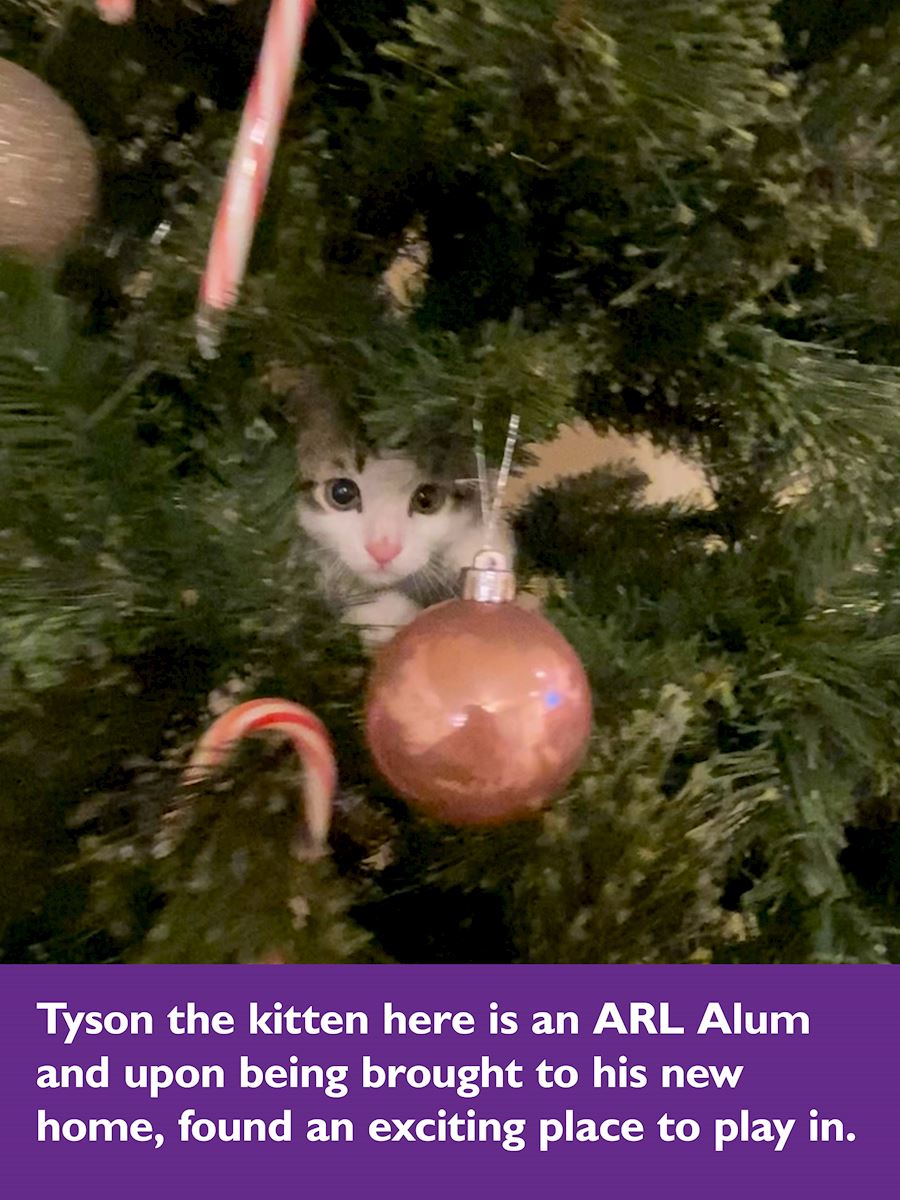
 Listed here are plants that are poisonous to cats that must be avoided if there are cats in your home. While in some cases, just parts of a plant (bark, leaves, seeds, berries, roots, tubers sprouts, green shells) might be poisonous, this list rules out the whole plant. If you have any of them, keep them safely out of reach. Should your feline friend eat part of a poisonous plant, rush the cat to your veterinarian as soon as possible. If you can, take the plant with you for ease of identification.
An important number to keep handy is the ASPCA Animal Poison Control Center’s 24-hour emergency poison hotline: (888) 426-4435. A consultation fee may apply.
Plants Poisonous to Cats:
|
Alfalfa Almond (pits of) Aloe Vera Alocasia Amaryllis Apple (seeds) Apple Leaf Croton Apricot (pits of) Arrowgrass Asparagus Fern Avocado (fruit and pit) Azalea Baby’s Breath Baneberry Bayonet Beargrass Beech Belladonna Bird of Paradise Bittersweet Black-Eyed Susan Black Locust Bleeding Heart Bloodroot Bluebonnet Box Boxwood Branching Ivy Buckeyes Buddist Pine Burning Bush Buttercup Cactus, Candelabra Caladium Calla Lilly Castor Bean Ceriman Charming Dieffenbachia Cherry (pits, seeds, & wilting leaves) Cherry, most wild varieties Cherry, Ground Cherry, Laurel Chinaberry Christmas Rose Chrysanthemum Clematis Coriaria Cornflower Corydalis Crocus, Autumn Crown of Thorns Cyclamen |
Daffodil Daphne Daphne Datura Deadly Nightshade Death Camas Delphinium Dicentrea Dieffengachia Dumb Cane Easter Lily Eggplant Elderberry Elephant Ear English Ivy Euonymus Evergreen Ferns Flax Four O’ Clock Foxglove Golden Chain Golden Glow Gopher Purge Hellebore Hemlock Poison Hemloc, Water Henbane Holly Honeysuckle Horsebeans Horsebush Horse Chestnuts Hyacinth Hydrangea Indian Tobacco Iris Iris Ivy Jack in the Pulpit Java Beans Jessamine Jerusalem Cherry Jimpson Weed Jonquil Jungle Trumpets Lantana Larkspur Laurel Lily Lily Spider Lily of the Valley Locoweed Lupine |
Marigold Mescal Bean Mistletoe Mock Orange Monkshood Moonseed Morning Glory Mountain Laurel Mushrooms Narcissus Nightshade Oleander Peach (pits of) Peony Periwinkle Philodendron Pimpernel Poinciana Poinsettia Poison Hemlock Poison Ivy Poison Oak Pokeweed Poppy Potato Precatory Bean Privet, Common Rhododendron Rhubarb Rosary Pea Rubber Plant Scotch Broom Skunk Cabbage Snowdrops Snow on the Mountain Staggerweed Star of Bethlehem Sweet Pea Tansy Mustard Tiger Lily Tobacco Tomato Tulip Tung Tree Virginia Creeper Water Hemlock Weeping Fig Wild Call Wisteria Yews e.g. Japanese Yew, English Yew, Western Yew, American Yew |













 Introducing your new cat to your other pets at home can be a tricky process. However, it is one of the most important things to do correctly with your cat or kitten. Here are some hints to ease the change.
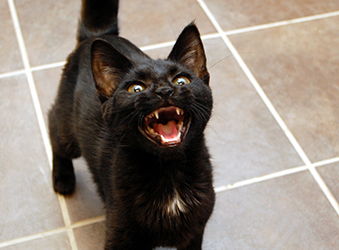 Vocalizing is one way for your cat to communicate with you and with other animals. Some cats “talk” more than others, but most cats do make noise in some form of meow or another, some of the time. We’re all familiar with the meaning of hissing and growling, but there are also many other sounds that your cat is capable of, and a variety of reasons for vocalizing.
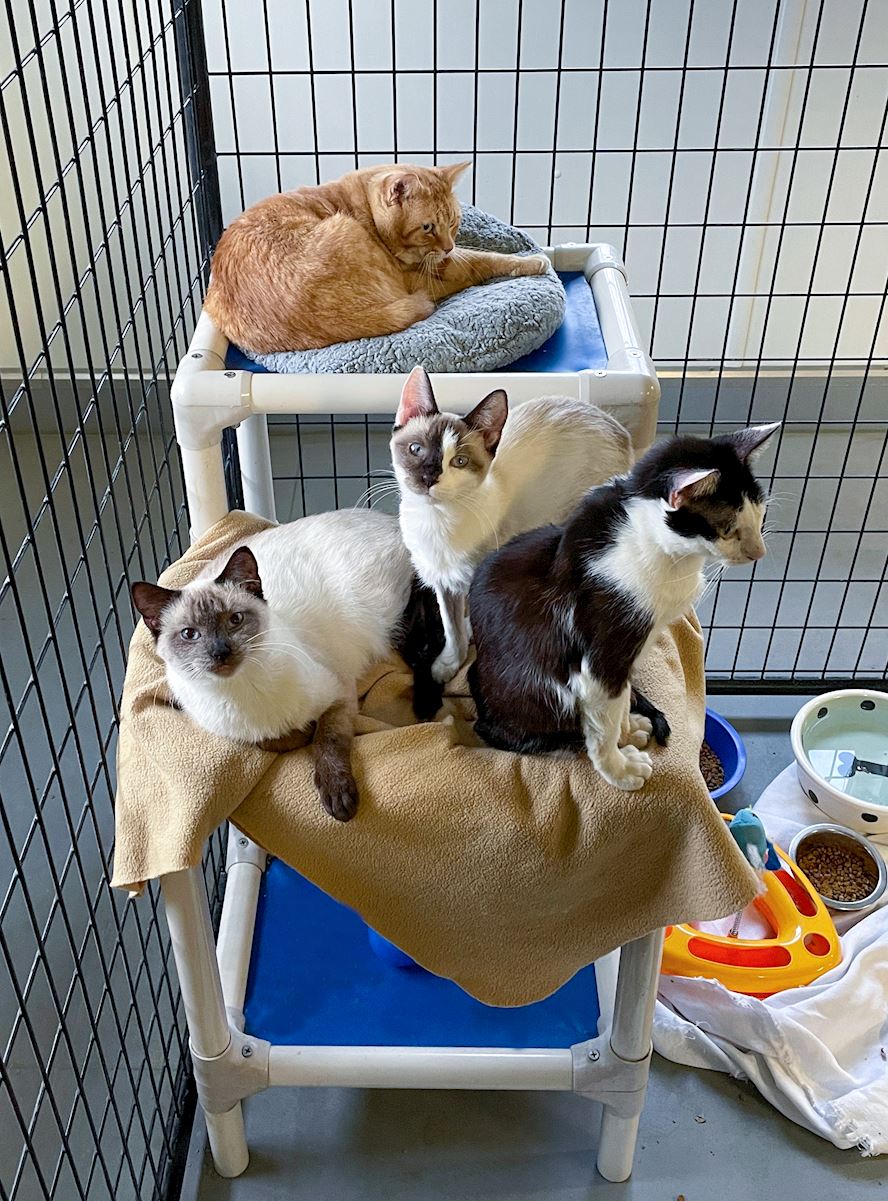 Cats that come from hoarding situations have spent most of their lives with other cats and many times have had very little contact with people.