
What is TNR?
TNR means Trap-Neuter-Return, which means altering, vaccinating, ear-tipping, and returning healthy community cats to the areas where they’ve already been living and thriving – therefore preventing more generations or other species from moving in.
TNR ends reproduction, stabilizes colony populations and improves cats’ lives. The behaviors and stresses associated with mating – pregnancy, yowling, spraying and fighting – stop. There are no new litters of kittens, which means the overpopulation of cats decreases.
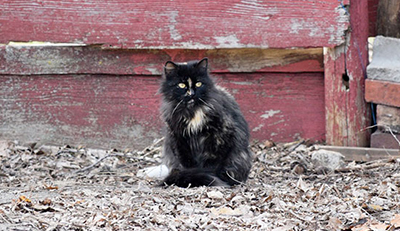
For thousands of years, cats have survived and thrived outdoors, just because they don’t live in our homes doesn’t mean they are “homeless.” These cats are often not suitable to live in homes because they’ve lived their entire lives outside and are not socialized to humans.
Cats who make their home outdoors are known as community cats, or feral cats. Research shows they do not suffer harsh lives or pose a health risk to other cats.
According to information provided by Alley Cat Allies, in 2003, a long-term study of a Trap-Neuter Return program noted that 83% of the cats present at the end of the observation period had been there for more than six years.
People are the cause of wildlife depletion
Studies show that the overwhelming causes of wildlife and bird death are habitat loss, urbanization, pollution, and environmental degradation – all caused by people, not community cats.
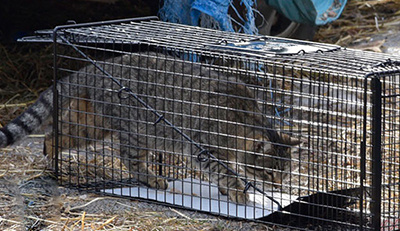
Trapping
You’re ready to help the cats in your community – so now what? We’ll walk you through the process step-by-step so you can be successful in your efforts.

Caring for Community Cat Colonies
If you are a caretaker for a cat colony in your area or are interested in learning more about how to care for a cat colony, then start here.
Neighborhood Culture
Overpopulation of cats is a community problem, so the community should be a part of the solution. Click here to find resources that you can share with your neighbors about TNR and learn how to work together to make changes.

Contact TNR
The ARL’s Operation CatSnip program has been developed to support the Des Moines community in successfully implementing TNR. If you have any questions or concerns, please contact us.