
Neighborhood Culture
If you are a colony caretaker in your area, it’s important that your neighbors understand your efforts to implement TNR in your neighborhood. Once they understand the benefits, they’ll likely be on board and support your efforts and possibly even offer to help. Listen to them and address any concerns. Determine what the issues are and do your best to work together to resolve them.
Here are a few documents you can share with your neighbors:
- Community Cats in Your Neighborhood (PDF) – This document states that someone in the neighborhood is caring for the community cats and implementing TNR. It includes an explanation of TNR and why it’s beneficial for the cats and the community. There are also 5 humane deterrants listed for neighbors who do not want cats on their property. There’s a place to include your contact information so people can support your TNR efforts or get invovled with caring for the colony.
- Easy Solutions to Cat Behaviors (PDF) – This document includes detailed solutions to cat behaviors such as cats getting into trash, digging in gardens, lounging in yard/porch, walking on cars, sleeping under porch , and yowling/fighting/spraying/roaming.
If your neighbors would prefer to keep cats away from their property, use humane deterrents (listed below) to keep cats away and you could even offer to apply them for your neighbors.
5 Easy Steps for Humanely Deterring Cats
- Determine whether the cat is a pet, stray or feral, and if he has been neutered. If stray or feral, if the cat isn’t already spayed/neutered, work with the ARL to get low-cost or free spay/neuter done. If the cat is a neighbor’s pet find out if your neighbors are intending the cat to be a community cat or if they will consider keeping their cat inside their home.
- Apply nontoxic deterrents around your yard. Things like oranges (cut the oranges open) and other citrus scents are a natural deterrent or sprinklers that are motion detection so they go off when a cat comes into the area.
- Put a tight lid on your trash can (removes a food source).
- Block gaps in the foundation of all sheds and outbuildings (cats will look for warm and dry areas to hang out in).
- Use a car cover if cats are laying on your car.
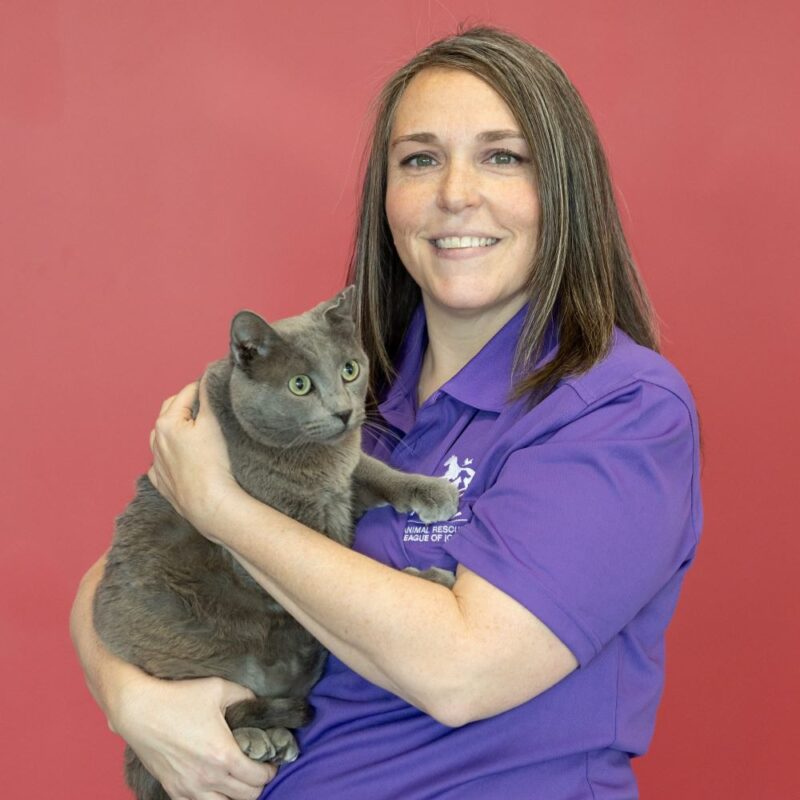

What is TNR?
TNR means Trap-Neuter-Return, which means altering, vaccinating, ear-tipping, and returning healthy community cats to the areas where they’ve already been living and thriving – and therefore preventing more generations from moving in.
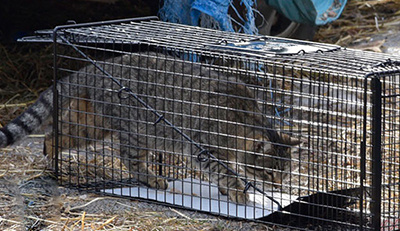
Trapping
You’re ready to help the cats in your community – so now what? We’ll walk you through the process step-by-step so you can be successful in your efforts.

Caring for Community Cat Colonies
If you are a caretaker for a cat colony in your area or are interested in learning more about how to care for a cat colony, then start here.

Contact TNR
The ARL’s Operation CatSnip program has been developed to support the Des Moines community in successfully implementing TNR. If you have any questions or concerns, please contact us.