
Caring for Community Cat Colonies
Feeding and Care
- Remove any uneaten food within 30 minutes. Leaving food overnight can attract insects and wildlife. If the cats usually eat all of the food within 15 minutes, try putting out a bit more. If there is consistently food remaining after 30 minutes, try putting out less.
- Provide fresh water. In the summer, provide lots of water to prevent dehydration. During the winter, try wider, deeper bowls to prevent water from freezing.
- Choose one place to feed and keep it clean. We recommend creating a “feeding station” for all food dishes. You can feed on disposable plates or bowls, but be sure to throw them away or recycle them immediately after use.
Deter Insects
- Build a “moat” around food bowls. Place the bowls in a tray filled with about an inch of water.
- Use ant-proof bowls.
Keep Everything Clean
You’ll reduce unpleasant smells and the neighbors will thank you.
Create Litter Areas
Build a box with 2’x4’s or use a sandbox. This will keep cats from relieving themselves in neighborhood gardens. Be sure the litter area is in a quiet, sheltered space and clean it regularly. Sand can withstand weather, but regular indoor litter cannot.
Provide Safe Shelters
Cats need warm, dry places to stay that are away from populated areas.
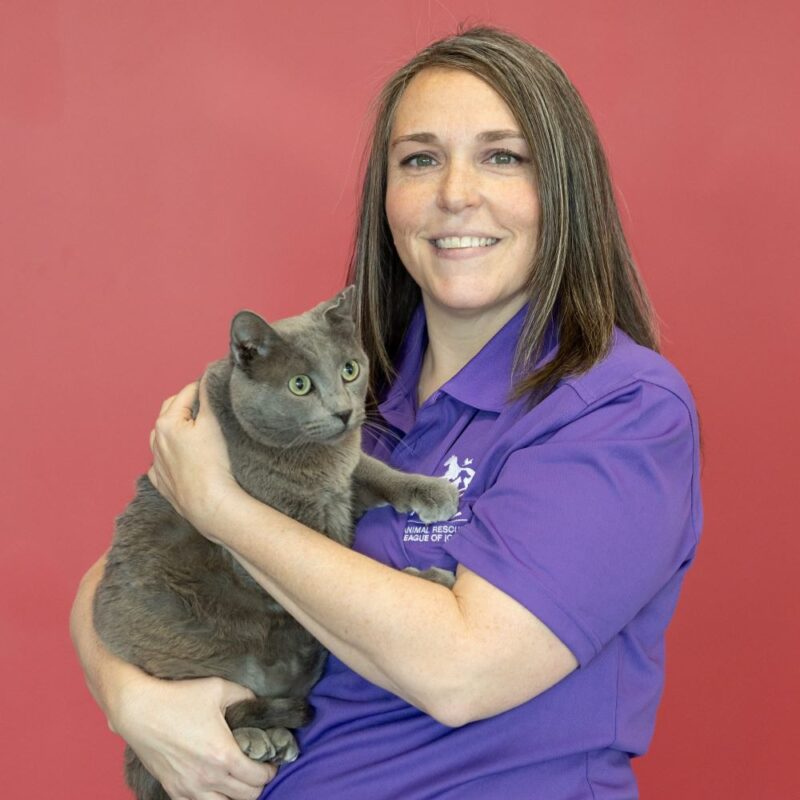

What is TNR?
TNR means Trap-Neuter-Return, which means altering, vaccinating, ear-tipping, and returning healthy community cats to the areas where they’ve already been living and thriving – and therefore preventing more generations from moving in.
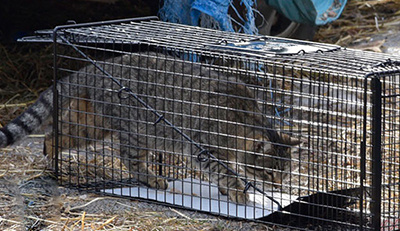
Trapping
You’re ready to help the cats in your community – so now what? We’ll walk you through the process step-by-step so you can be successful in your efforts.
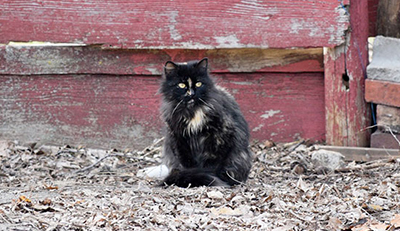
Neighborhood Culture
Overpopulation of cats is a community problem, so the community should be a part of the solution. Click here to find resources that you can share with your neighbors about TNR and learn how to work together to make changes.

Contact TNR
The ARL’s Operation CatSnip program has been developed to support the Des Moines community in successfully implementing TNR. If you have any questions or concerns, please contact us.